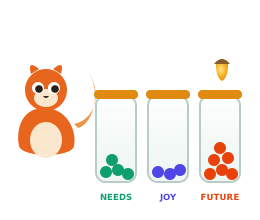
The three buckets
Needs cover the non-negotiables: rent, food, electricity, transport, loan EMIs. Joy is the fun money: eating out, a movie, a small treat, a gift. Future is your savings and goals: an emergency fund, investments, a trip you’re planning.
Many people aim for roughly half to needs, a fifth to joy, and the rest to the future. But your split is yours to set, and it will shift with your life. The labels matter more than the exact numbers.
Fill the Future bucket first
The trick that changes everything is order. Move money to your Future bucket the moment income arrives, not whatever is left at the end. There is rarely anything left at the end. Treat savings like a bill you always pay.
Adjust without guilt
If your Needs bucket keeps overflowing, that’s information, not failure. Maybe rent is too high a share, or a subscription crept in. Buckets make the imbalance visible so you can fix it instead of feeling vaguely broke all month.
A rough plan you follow beats a perfect one you don’t.