The order matters

How to save money every month

Most of us try to save whatever is left at the end of the month, and somehow nothing is ever left. The fix isn’t earning more. It’s changing the order in which you spend and save.

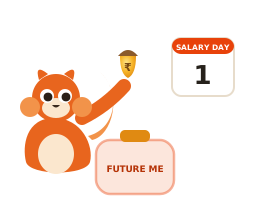
Pay your future self first

The day your salary lands, move a fixed amount to savings before anything else can get to it. Automate it if you can, with a standing instruction or an auto-debit into a recurring deposit or SIP. What you don’t see, you don’t miss.

Make saving automatic

Willpower runs out; automation doesn’t. Set up an automatic transfer on your salary date. Even ₹500 a month, moved automatically, beats a big amount you keep meaning to save and never do.

Find the quiet leaks

Look at your last month of spending. Most people find one or two subscriptions they forgot, or a habit that’s bigger than they thought. You don’t have to cut everything — just redirect a little of the leak into your Future bucket.

Pay future you first. Present you adjusts faster than you’d think.

Frequently asked

How can I save money on a low income?
Start with a tiny, fixed amount moved automatically on payday — even ₹200 to ₹500. The habit matters more than the size. Increase it whenever your income rises and you won’t feel the difference.
What is the "pay yourself first" method?
It means treating savings like a bill: you move money to savings the moment income arrives, before spending on anything else, instead of saving whatever happens to be left at month-end.

Keep reading

Put it into practice

LedgeKar helps you budget, split bills, and track your goals in one place. Free to start.

Start free with LedgeKar