What compounding actually means
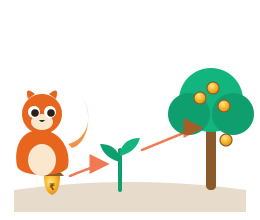
Compounding is earning returns on your returns. In year one you earn on what you invested. In year two you earn on your investment plus year one’s gains. Given enough years, that snowball does more work than the amount you originally put in.
Why starting early beats starting big
Time is the most powerful ingredient, more than the amount. Someone who invests a small amount in their twenties often ends up ahead of someone who invests much more starting in their forties, simply because the early money had more years to compound.
How to start
A Systematic Investment Plan, or SIP, into a mutual fund is the simplest way for most people to put compounding to work: a fixed amount invested automatically every month. Start with whatever you can sustain, keep it going, and let time do the heavy lifting.
Start small, start now. Time does the heavy lifting.
This is general financial education, not investment advice.